PURe Visions. Plastic Furniture between East and West
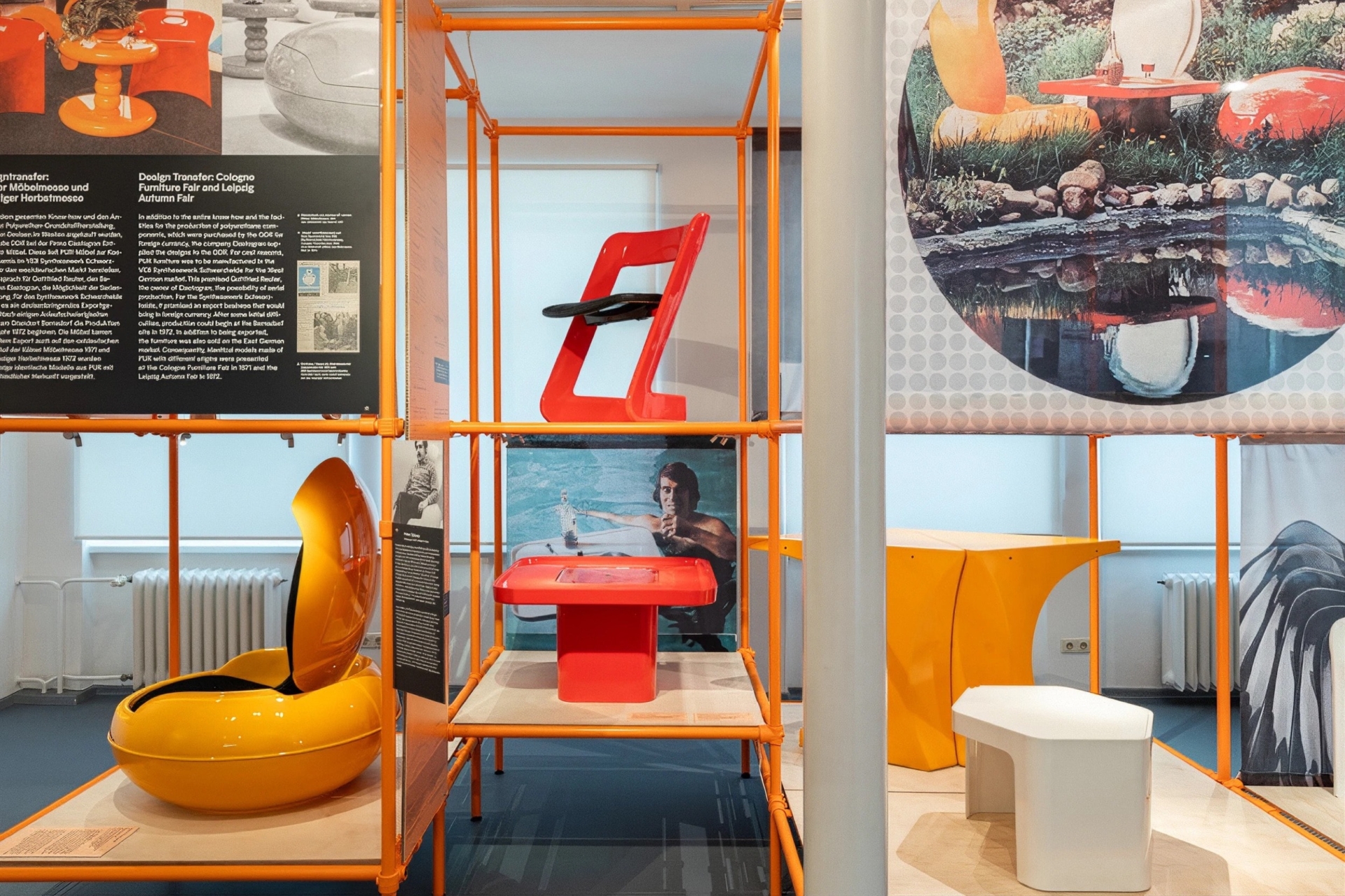
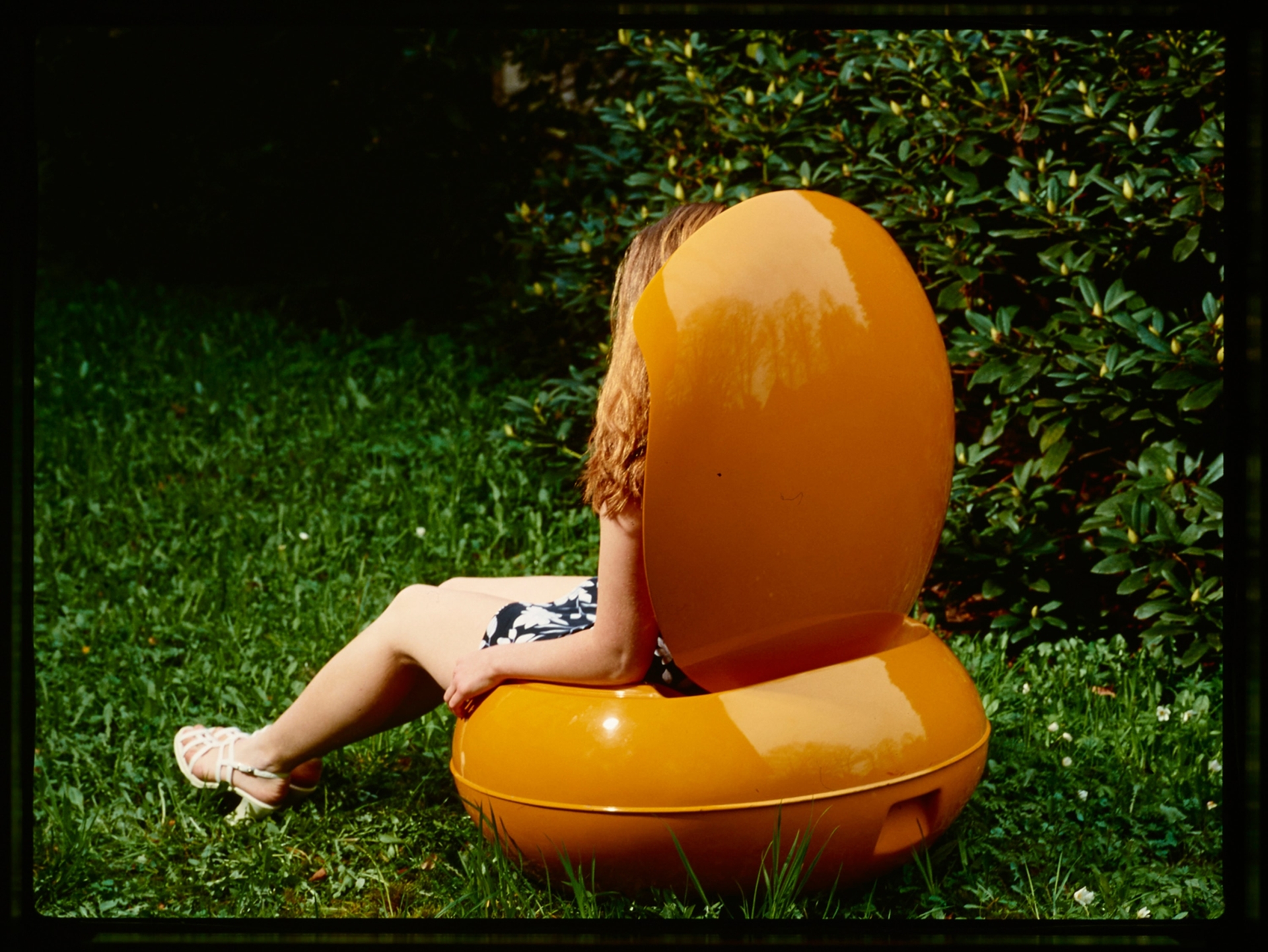
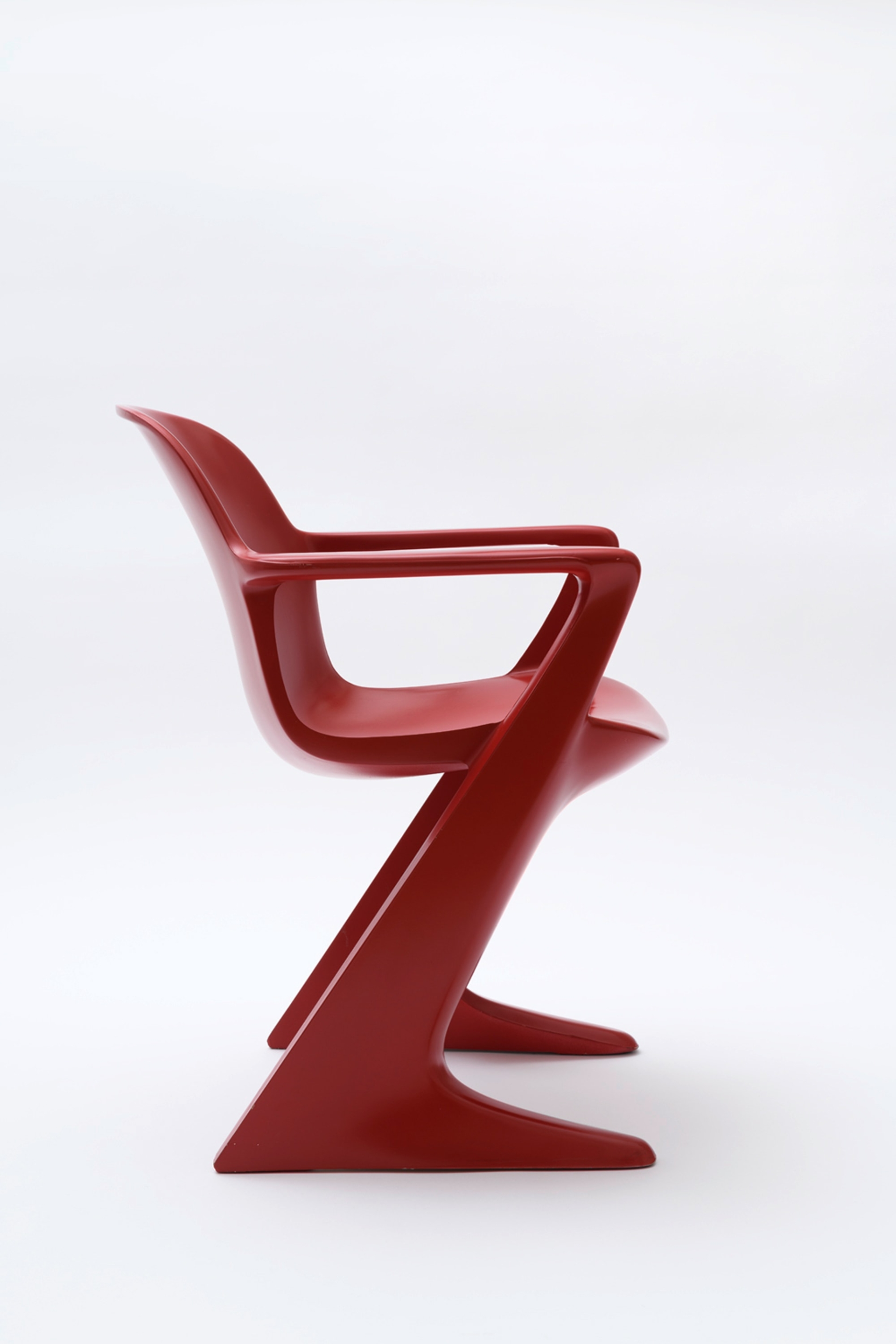
Today, the “Garden Egg” and the “Kangaroo Chair” are believed to be icons of East German design. These pieces of seating furniture were made from the plastic polyurethane (PUR) in the course of an exciting transfer story between West and East.
After the Second World War, plastics paved the way for an era of seemingly limitless consumption. Mass-produced, inexpensive and capable of being produced in almost any colour and shape, they Stimulated product design and industrial production. While the private sector drove their spread in the Western world, politics did so in the countries of state socialism. There was a worldwide boom in promising synthetic materials that could no longer be stopped.
According to the maxim “Chemistry provides bread, prosperity, and beauty”, the GDR set the course for “Plaste and Elaste” [Plastics and Rubber] in everyday life around 1960. But despite high investments, it found it difficult to keep up with Western innovations. In the middle of the decade, polyurethane appeared on the horizon, made ready for the market by the West German Bayer Group. It penetrated new areas of application such as furniture construction. This was spectacularly demonstrated by the “Panton Chair”, made in one piece. West German designers such as Ernst Moeckl and Peter Ghyczy also celebrated the feeling of life freed from conventions of the POP era with flowing shapes and intense colours.
Enthusiastic about the modern way of being able to produce furniture from plastic instead of wood on a massive scale, the GDR bought machines and designs for the production of PUR furniture in the Federal Republic at the beginning of the 1970s. Soon, more plastic furniture was produced from polyurethane than in any other country in the world. They were staged as a sign of socialist progress, without naming the West German origins. In addition, creative original designs for furniture made of PUR were created at universities and in companies by East German form designers, some of which, however, were not implemented.
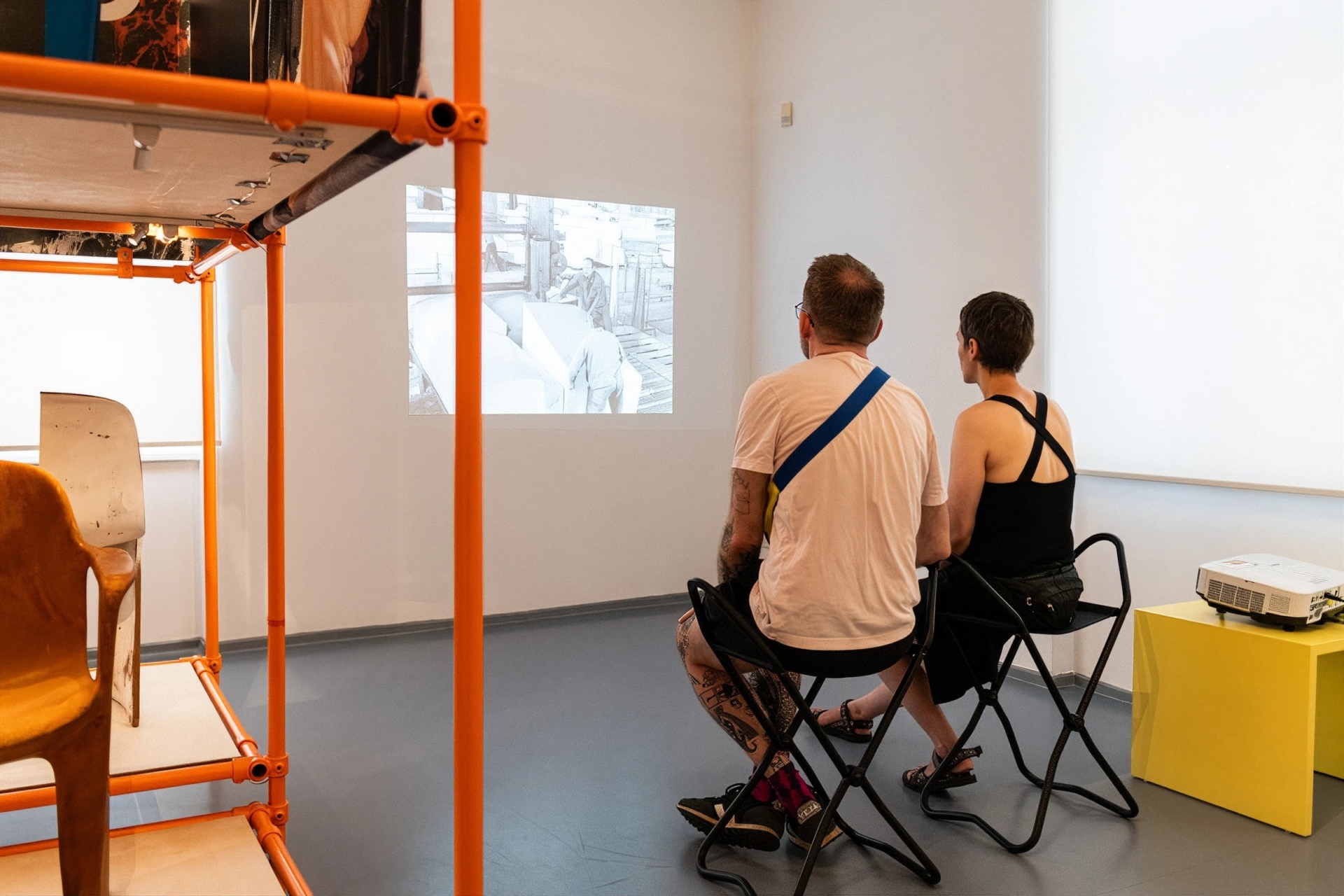
The exhibition explores the production of PUR furniture up to the early 1980s and displays numerous iconic and hitherto little-known examples of furniture – designed in the Federal Republic and the GDR – alongside photos, advertising, and film excerpts. It addresses design-historical and economic-political aspects and asks about the future handling of the difficult-to-recycle material polyurethane.
The exhibition was created in cooperation with the Museum of Arts and Crafts Dresden (Open in new tab), Dresden State Art Collections, and was supported by the Federal Foundation for the Study of the Communist Dictatorship in East Germany (Open in new tab) and BASF Schwarzheide GmbH (Open in new tab). The Museum of Utopia and Everyday Culture is an institution of the Oder-Spree district and is supported by the state of Brandenburg.
Accompanying Program
Sunday, September 1, 2024, 1:00 PM
Curator’s Tour
Sunday, October 6, 2024, 13:00
Curator’s tour with Klára Němečková, Museum of Arts and Crafts, Dresden State Art Collections, and Axel Drieschner, Museum of Utopia and Everyday Culture
15:00 Panel Discussion – Consumer Goods from GDR Industrial Combines; with Horst Donth, former Head of Consumer Goods Production at PCK Schwedt, and Prof. Dr. Dr. Karl Döring, former General Director of VEB Bandstahlkombinat Eisenhüttenstadt
Saturday, October 19, 2024
18:00 Long Night of Restoration Not Made to Last? Cultural Artifacts Made of Plastic; Tina Petráš, Studio for Restoration, Berlin
20:00 Curator’s Tour
Tuesday, October 22, 2024
11:00–16:00
Easy Programming! Digital Crafting Workshop for the Whole Family (Including Extended Family), Ages 8+ – Making Plastic Furniture Talk with Makey Makey
Sunday, November 3, 2024
13:00 Curator’s Tour
15:00 Lecture by Sebastian Voigt, Design+Robotics, Potsdam – Design and Manufacturing of Plastic Products: Problems and Perspectives
Sunday, February 2, 2025
13:00 Tandem tour with Dr. Daniel Böhme, Corporate Archives BASF Schwarzheide GmbH and Axel Drieschner, Curator at the Museum of Utopia and Everyday Culture
Sunday, March 30, 2025 Closing Event
12:00 Curator’s Tour
13:00-16:00 Interactive Workshop for All Ages – Creating with Recycled Plastic, Plastic Workshop by Konglomerat e.V. Dresden
You can find the exhibition flyer (not barrier-free) here (PDF File).